Supportive environments for artists to share works, ideas or challenges.
Our organisation was born out of the idea of creating events for artists to offer peer-to-peer support in advancing projects, finding solutions to challenges and reducing isolation.
Established in 2015 our artist peer groups are an opportunity for creatives exploring health and wellbeing in their practice to gain feedback and support on their projects, ideas or challenges that they are facing. The space is for active feedback, meaning that artists aren’t sharing finished works, but asking for specific support from others attending the session. Together we pool resources and provide feedback in a supportive and non-competitive environment.
The sessions are run by 3 facilitators: Daniel Regan, Paloma Tendero and Camilla Ellingsen Webster.
Thank you to previous facilitator Gimara Duncan-Rice!

Upcoming Peer Groups.
From June 2026 we’ll be taking a pause to hopefully secure more funding to run these groups which have now been running for 11 years! Keep up to date with our events by following us on Instagram or signing up to our mailing list.
Past Peer Groups.
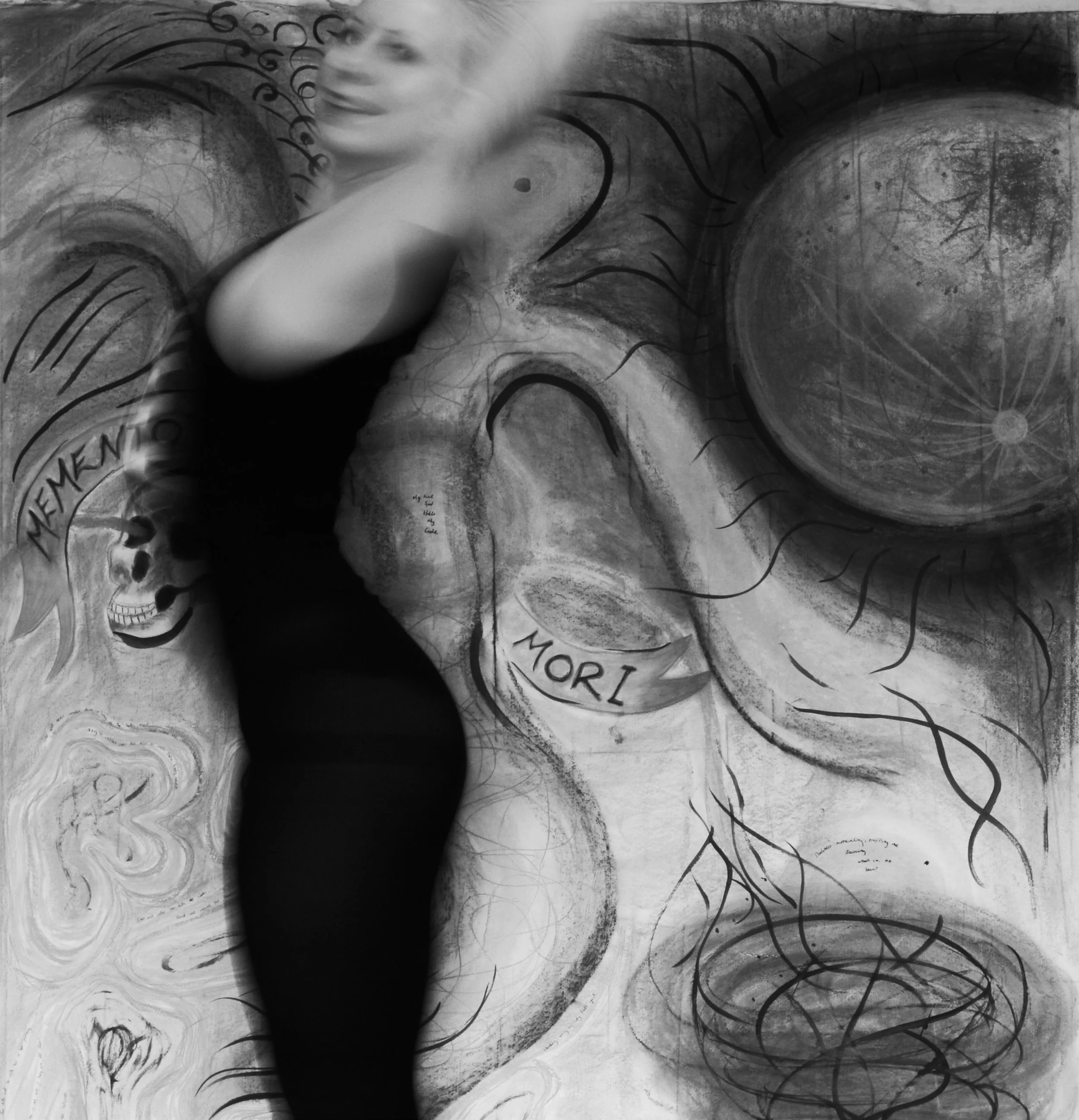

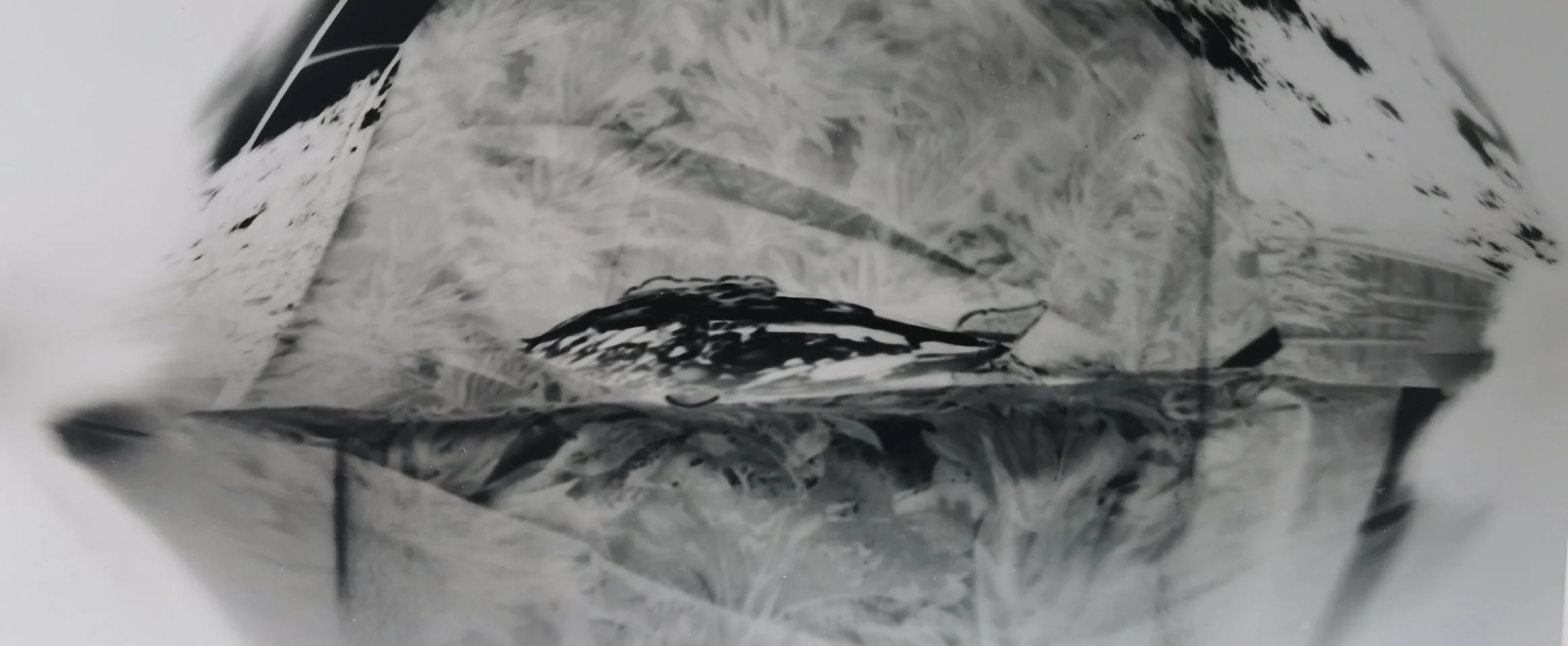
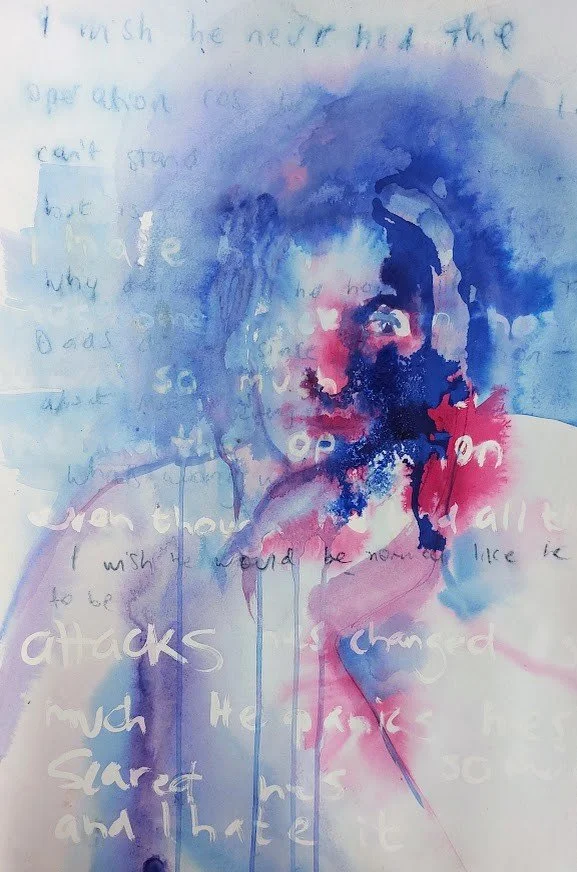


“This was much needed practice for me, in presenting myself and my work. Invaluable to have a safe space to do this.”
“The Arts and Health Hub is a space I had been looking for for a long time as a medical student with an interest and practice in the creative arts. During my first artist peer group, I met someone who quickly became a dear friend. Two years later, I am grateful to notice that the foundation of our connection is seen in the way we foster conversation around well-being while encouraging each other to keep the arts close to our daily lives. This often manifests in being creative together or attending the events Arts and Health Hub events with each other.”
What happens at the event?
We currently run sessions every 2 months and alternate between in person groups run at London’s Southbank Centre and online sessions.
Each session has space for 2 artists to present their work or idea for approximately 10 minutes. They might share their work digitally in a slideshow, or by bringing along objects/books/prints or in the form of a performance.
Questions that artists might bring to session could be:
feedback on a specific project - what works and what doesn’t?
how can I develop an idea that I’m stuck on?
how do I collaborate with others who have had similar experiences of the themes in my work (i.e a particular illness)?
how might I find partners to work with on a project?
what are the different ways that I could show this work (i.e exhibition, book etc)?
After each artist shares their work we support them with a facilitated discussion to help them get feedback on the most important issues.
As an audience participant this is where you come in - offering thoughts on anything from how the work made you feel to sharing valuable resources to help push the artist’s work forward. It’s also perfectly OK to come along and just listen because we respect that listening is also a form of participation.
If you want to come along but have a question, email us at info@artsandhealthhub.org.

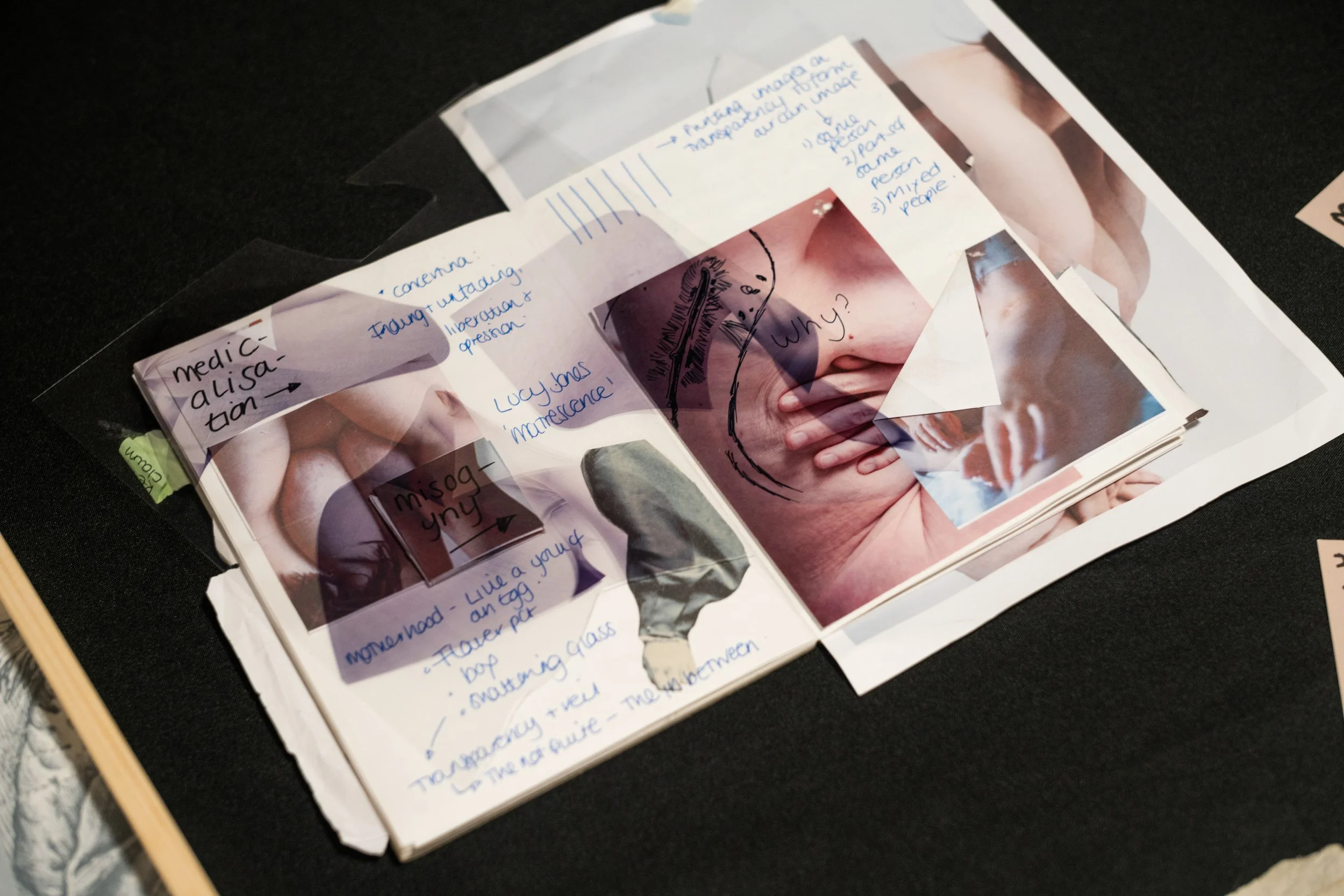
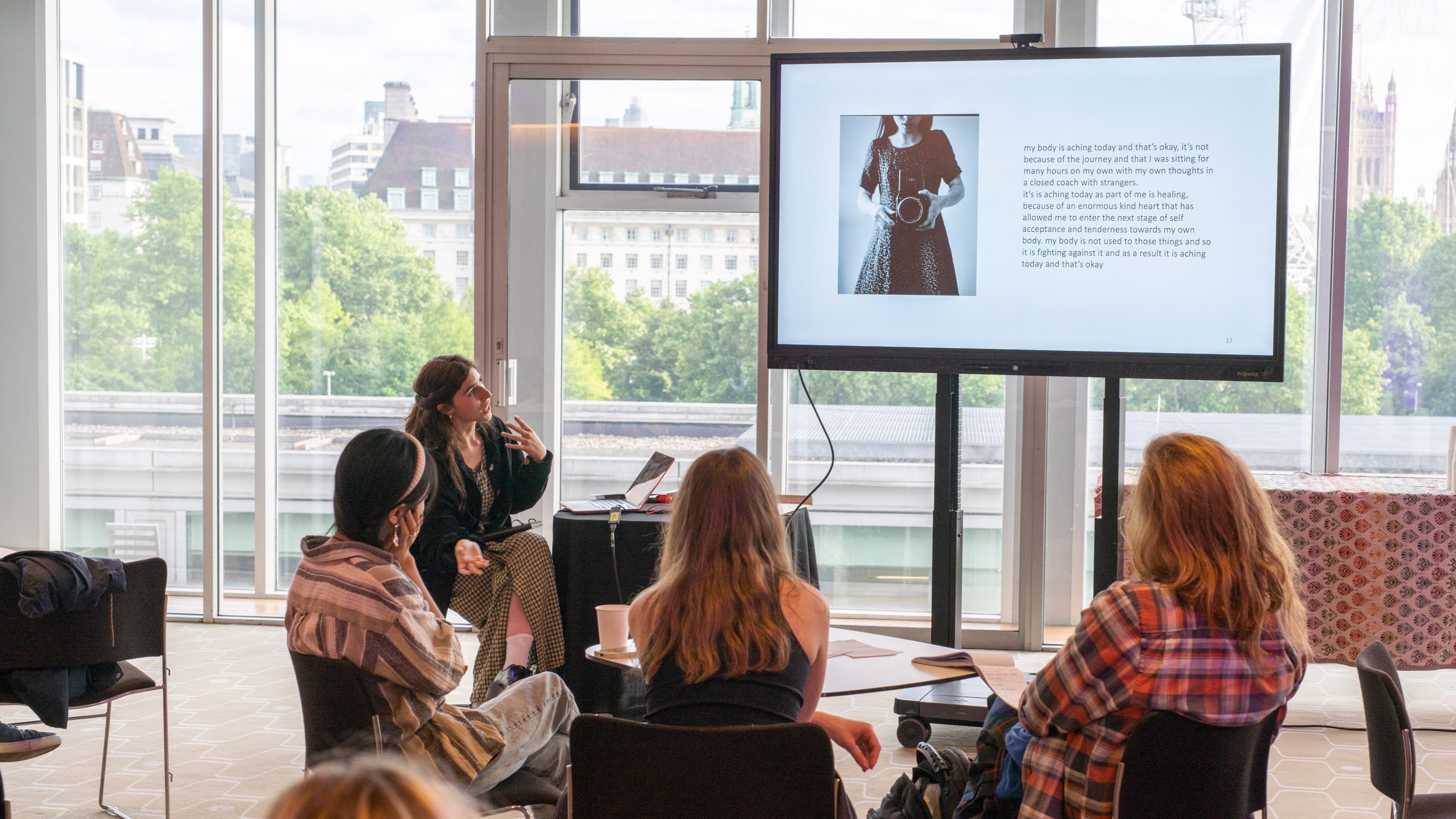
“What you have created is amazing. It's such a safe space and a kind and welcoming environment, I learnt so much, thoroughly enjoyed participating and wish this was something I could come to monthly. I left feeling so much more capable within my own art practice and also with a heighten sense of security as a human being who's allowed to take up space and who's opinions, thoughts and ideas are valued.”
“This was so supportive and encouraging. The space created for me to present felt incredibly welcoming and not in the slightest bit intimidating. As someone still feeling very new to this, that has been super important to me and something I will remember. It was a joy to present to such engaged and interesting people. Being able to hear from another artist on the same night is a real bonus and I learnt loads from them just listening to them talk about their work.”
Our Facilitators.
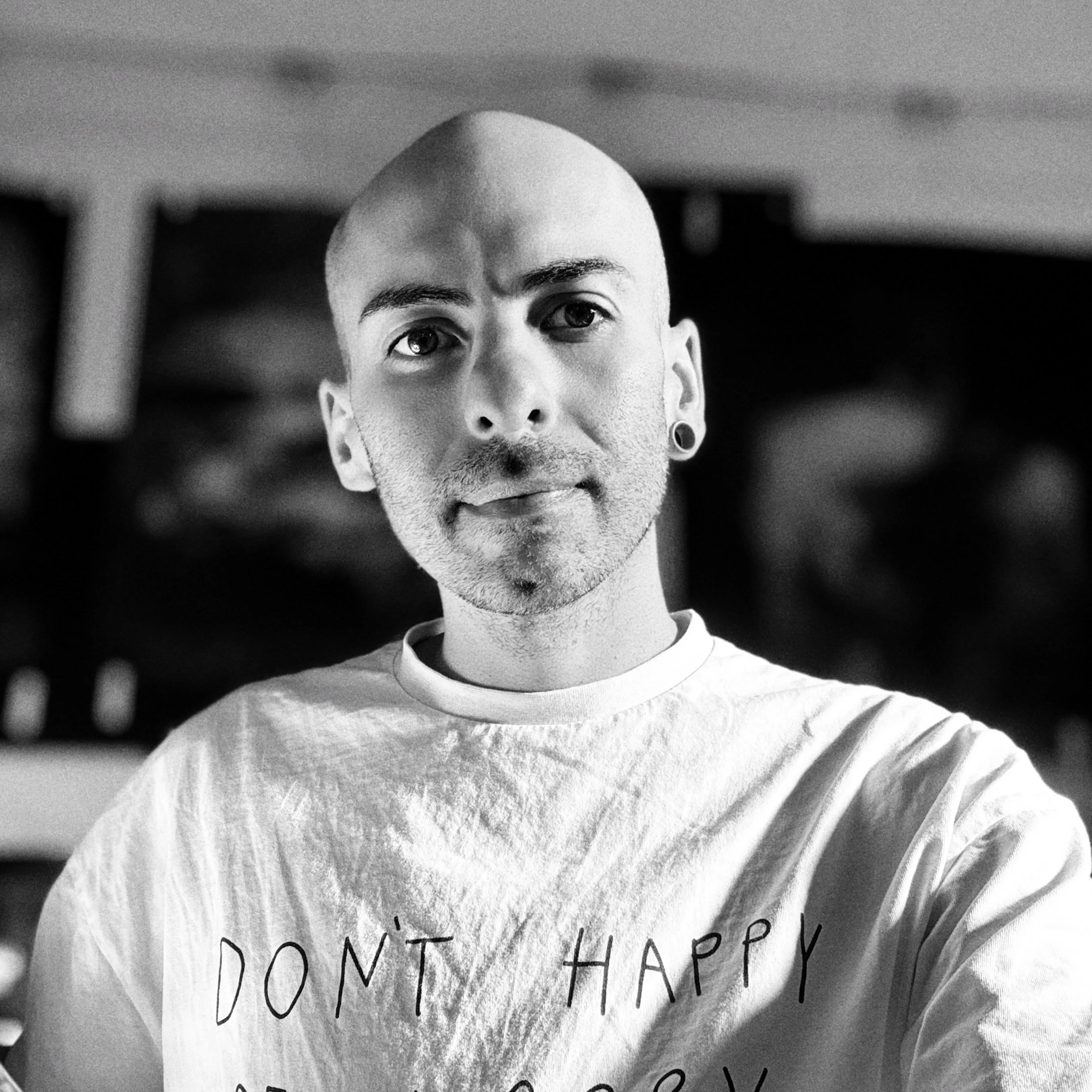
Daniel Regan is a visual artist specialising in the exploration of complex and difficult emotional experiences, focusing on the transformational impact of arts on mental health, building on his own lived experiences. Over the last 20 years his own creative practice has brokered dialogues around taboo topics such as mental health, grief, self injury, suicide and racism. As a part of his creative practice he shoots commissions, produces and delivers socially engaged projects and provides consultancy on Creative Health work.
Daniel is the Creative Lead for Arts & Health Hub.
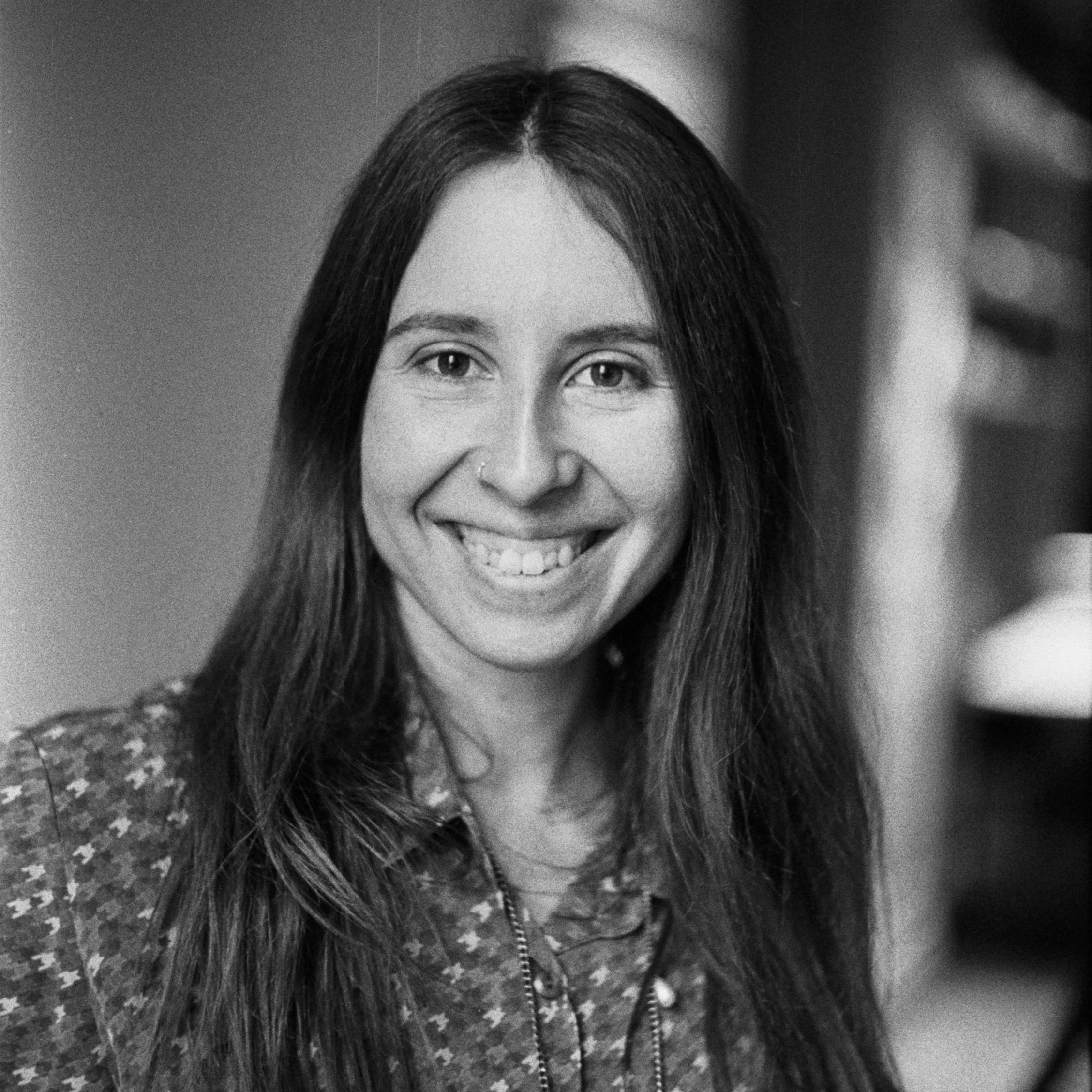
Paloma Tendero is a visual artist who explores themes around heredity, identity and cycles of life. She was born in Spain, where she graduated from BA Fine Arts at Complutense University in Madrid. Following that, she graduated from MA Photography at London College of Communication. Since then, she has been exhibiting and participating in artist-in-residence programs such as Sarabande in 2020. Her work has been recently exhibited at Headstrong: Women and Empowerment at the new Centre for British Photography 2023. She is currently Arts Programmer within the Public Programmes team at the Royal Academy of Arts.

Camilla Ellingsen Webster is a photography curator, researcher and teacher; her interests are in the history of photography, with a particular focus on appropriation in photographic art. She teaches historical photographic practices with Arts & Health Hub, and has worked with Dulwich Picture Gallery, The Courtauld Institute of Art and the London Festival of Photography, as well as assisting artists such as Joachim Schmid with projects. Camilla is a member of the Kemptown Artist’s Association, where she volunteers as an exhibitions coordinator and membership secretary.


“Attending the group has been a great experience all round. I have met new people who have knowledge to share and are open and supportive. The group has really helped me to build my confidence around speaking about my practice and it’s helped inspire me to commit to the ideas I have and make time to create work.”
“It was really helpful to get people's input about opportunities for sharing the work or taking it further, that I probably wouldn't have heard about otherwise.”